Comparing Surface Chemistries: When to Choose Silica vs. Carboxyl vs. Streptavidin
SEO Keywords: Magnetic bead surface functionalization, silica vs carboxyl beads, streptavidin-coated particles, ligand immobilization, protein purification, DNA extraction.
Introduction: The Surface is the Solution
In the world of micro-scale magnetic separation, the core provides the force, but the surface provides the function. For engineers and lab managers, choosing the right surface chemistry is the difference between a successful assay and a failed experiment. While silica magnetic beads are the titans of nucleic acid isolation, other functional groups like Carboxyl and Streptavidin play vital roles in proteomics and NGS library prep.
Silica Surface Chemistry: The Specialist for Nucleic Acids
Silica ($SiO_2$) is the preferred choice for total DNA and RNA extraction. Its mechanism is based on the "chaotropic effect."
-
Best Use Case: High-throughput genomic DNA extraction from blood, stool, or saliva.
-
Advantages: High binding capacity, no need for specific ligands, and extreme durability in acidic or basic buffers.
-
The Engineering Edge: Silica beads are the most "rugged." They can withstand the harsh chemicals (like Guanidine) used to lyse tough cell walls.
Carboxyl-Functionalized Beads: The Versatile Adapter
Carboxylic acid (–COOH) groups allow for the covalent attachment of proteins, antibodies, or customized oligonucleotides using EDC/NHS coupling chemistry.
-
Best Use Case: Immunoassays (CLIA/ELISA), specific sequence capture, and NGS "size selection."
-
The Decision Factor: If your goal is to capture a specific protein or a specific DNA sequence rather than "total DNA," carboxyl beads are the superior choice.
-
Engineering Challenge: Covalent coupling requires precise control over pH and temperature, making the protocol more complex than simple silica binding.
Streptavidin-Coated Beads: The Gold Standard for Affinity
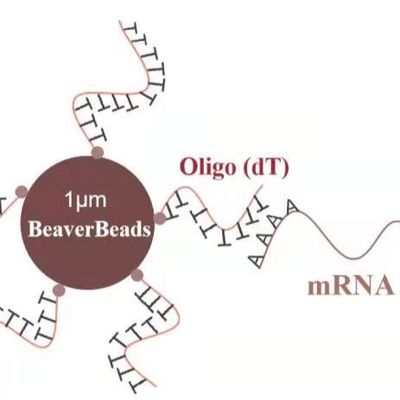
Streptavidin beads utilize one of the strongest non-covalent bonds in nature: the Biotin-Streptavidin interaction.
-
Best Use Case: Single-stranded DNA isolation, protein-protein interaction studies, and targeted NGS panels.
-
The Procurement Perspective: Streptavidin beads are significantly more expensive than silica beads due to the cost of the recombinant protein coating. They are typically reserved for high-value applications where specific "pull-down" is required.
Comparative Table for Decision Makers
| Feature |
Silica Beads |
Carboxyl Beads |
Streptavidin Beads |
| Primary Target |
Total Nucleic Acids |
Proteins / Specific DNA |
Biotinylated Targets |
| Binding Mechanism |
Chaotropic / Salt Bridge |
Covalent Coupling |
Affinity Binding |
| Cost Per Gram |
Low / Moderate |
Moderate |
High |
| Automation Ease |
Excellent |
Moderate |
Good |
| Stability |
Extremely High |
High |
Moderate (Protein-based) |
Technical Considerations for Scale-Up
When a lab transitions from a manual silica-based DNA kit to a customized carboxyl-based immunoassay, the engineering requirements change. The magnetic separation racks must be calibrated for different settling speeds, and the liquid handling software must account for the specific viscosity of the bead-buffer suspension.
Conclusion: Selecting the Right Tool for the Task
For 90% of molecular diagnostic applications focused on DNA/RNA, silica magnetic beads remain the most cost-effective and reliable solution. However, understanding when to pivot to Carboxyl or Streptavidin is what separates a world-class bio-engineer from a standard lab technician.


 Your message must be between 20-3,000 characters!