Liquid Biopsy and cfDNA: Scaling Silica Beads for Rare Fragment Capture
SEO Keywords: cfDNA isolation, liquid biopsy, silica magnetic beads, cancer diagnostics, oncology research, circulating cell-free DNA, NGS library prep.
The New Frontier in Oncology: Cell-Free DNA (cfDNA)
In the field of oncology, the "Liquid Biopsy" has transitioned from a theoretical concept to a clinical mainstay. By analyzing circulating cell-free DNA (cfDNA) found in plasma, clinicians can monitor tumor mutations without invasive tissue biopsies. However, the technical challenge is immense: cfDNA is highly fragmented and present in extremely low concentrations. For the engineers designing these assays, the selection of silica magnetic beads is the most critical factor in achieving the sensitivity required for early cancer detection.
The Technical Challenge of Small Fragment Recovery
Unlike genomic DNA, which consists of long strands, cfDNA is typically highly fragmented, with a peak size of approximately 160–180 base pairs. Standard purification methods often "wash away" these smaller fragments.
-
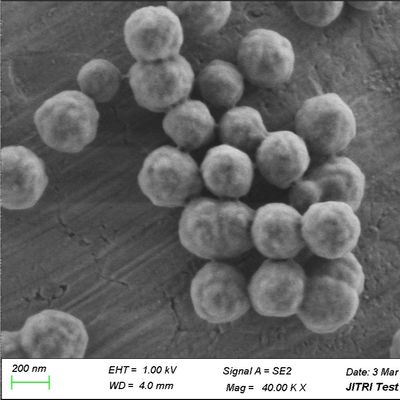
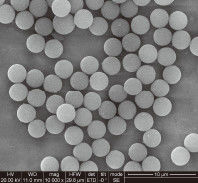
High Binding Affinity for Small Fragments: Optimized silica surfaces are engineered to maximize the capture of short DNA sequences. By adjusting the pore size and surface charge of the silica coating, manufacturers can ensure that these 160bp fragments are not lost during the rigorous washing steps.
-
The "Crowding" Effect: Using specific polyethylene glycol (PEG) and salt concentrations, engineers can induce a "molecular crowding" environment that forces even the smallest cfDNA fragments onto the silica surface of the magnetic beads.
Engineering for Maximum Yield from Large Sample Volumes
Liquid biopsies often require processing large volumes of plasma (5ml to 10ml) to find a handful of target molecules.
-
Bead Concentration Optimization: To capture rare fragments in a 10ml volume, the bead concentration must be perfectly balanced. Too many beads increase background noise; too few result in lost targets.
-
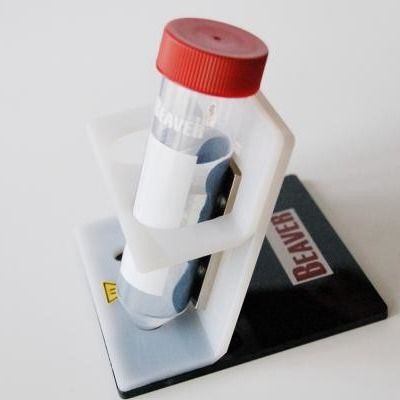
Superparamagnetic Speed: Large volumes require high-performance magnetic separation racks. Silica beads with a high iron oxide content ($>40%$) allow for rapid collection from large volumes, reducing the total processing time from hours to minutes.
Procurement Perspective: Reliability in Clinical Trials
For procurement officers in the oncology sector, sourcing beads for cfDNA is about long-term clinical validation.
-
Consistency Across Patient Cohorts: When running multi-year clinical trials, the silica magnetic beads must remain identical from year one to year five. Any "drift" in manufacturing will invalidate the trial results.
-
Cost vs. Sensitivity: While cfDNA-grade beads are a premium product, the cost is justified by the reduction in "re-tests" and the increase in diagnostic accuracy, which is the primary KPI for any clinical lab.
Conclusion: Empowering Precision Medicine
As we move toward 2026, the demand for ultra-sensitive liquid biopsy kits will skyrocket. By utilizing silica magnetic beads specifically optimized for small fragment capture, diagnostic companies can provide the high-resolution data needed to guide personalized cancer treatments and save lives.


 Your message must be between 20-3,000 characters!