The Environmental Impact of Lab Consumables: Why Bead-Based Methods are Greener
SEO Keywords: Sustainable lab practices, green biotechnology, silica magnetic beads vs. spin columns, waste reduction in diagnostics, eco-friendly reagent sourcing, ESG in biotech.
The Hidden Environmental Cost of Molecular Biology
The life sciences industry is a massive consumer of single-use plastics. Estimates suggest that laboratory research accounts for nearly 2% of the world's total plastic waste. A significant portion of this waste comes from traditional "Spin Column" DNA extraction methods. For procurement directors and Chief Sustainability Officers (CSOs), moving toward silica magnetic beads is not just a technical upgrade—it’s a major step toward meeting Corporate Social Responsibility (CSR) and ESG goals.
Silica Magnetic Beads vs. Spin Columns: The Plastic Battle
Traditional spin column kits are incredibly plastic-intensive. Each sample requires:
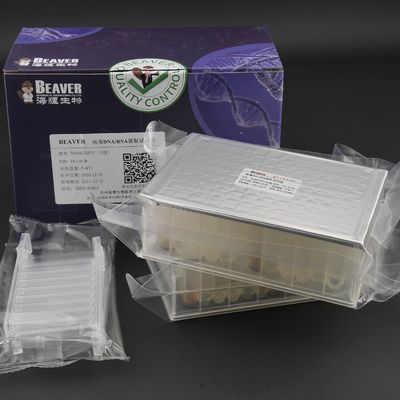
In contrast, silica magnetic bead protocols are performed in a single "Reaction Plate" (such as a 96-deep well plate).
-
Reduced Tube Usage: Because the beads are moved magnetically or the liquid is aspirated from a single well, there is no need to transfer the sample into 4 or 5 different tubes.
-
Minimal Centrifugation: Centrifuges are energy-intensive machines. Magnetic separation uses static magnetic fields, which consume zero electricity during the separation phase.
Chemical Waste Reduction and Buffer Efficiency
The "Surface Area-to-Volume" ratio of silica magnetic beads is significantly higher than that of a flat silica membrane in a column.
-
Lower Reagent Volumes: Higher binding efficiency means that less "Wash Buffer" is needed to achieve the same level of purity. This reduces the total volume of chemical waste generated by the lab.
-
Aqueous vs. Organic: Many modern bead protocols are being optimized for more "aqueous-friendly" buffers, reducing the reliance on high volumes of ethanol or other volatile organic compounds (VOCs).
ESG in Procurement: Choosing Sustainable Suppliers
Procurement teams are now being tasked with auditing the "Green Credentials" of their suppliers.
-
Concentrated Formats: Buying silica magnetic beads in "bulk concentrate" reduces the carbon footprint associated with shipping water and large packaging.
-
Recyclable Packaging: Leading bead manufacturers are moving toward recyclable high-density polyethylene (HDPE) bottles and FSC-certified paper for documentation.
The Economic Benefit of Sustainability
Sustainability is no longer just "nice to have"; it makes financial sense. Reducing plastic waste leads to lower disposal costs (especially for biohazardous waste, which is expensive to incinerate). Furthermore, automated bead-based systems allow for higher throughput with fewer staff hours, increasing the "Economic Sustainability" of the diagnostic facility.
Conclusion: A Greener Future for Molecular Diagnostics
As we look toward the global goals of 2030, the biotechnology sector must address its waste problem. Silica magnetic beads offer a rare "win-win": superior technical performance for the engineer and a significantly lower environmental footprint for the planet. Switching to bead-based workflows is a powerful statement of a company's commitment to a sustainable future.


 Your message must be between 20-3,000 characters!